
Construction Loans
Every Great Development Begins Long Before Construction Starts
At CapCana Capital, we believe successful construction financing begins long before the first shovel enters the ground.
We often say that execution begins with understanding. Before we discuss loan proceeds, draw schedules, or interest rates, we want to understand what you are building, why you are building it, and what success looks like when the project is complete. Construction financing is much more than providing capital to build a structure. It is about creating a financing strategy that supports the entire development process, from concept and planning through construction and ultimately to stabilization or sale.

Every Development Has Its Own Story
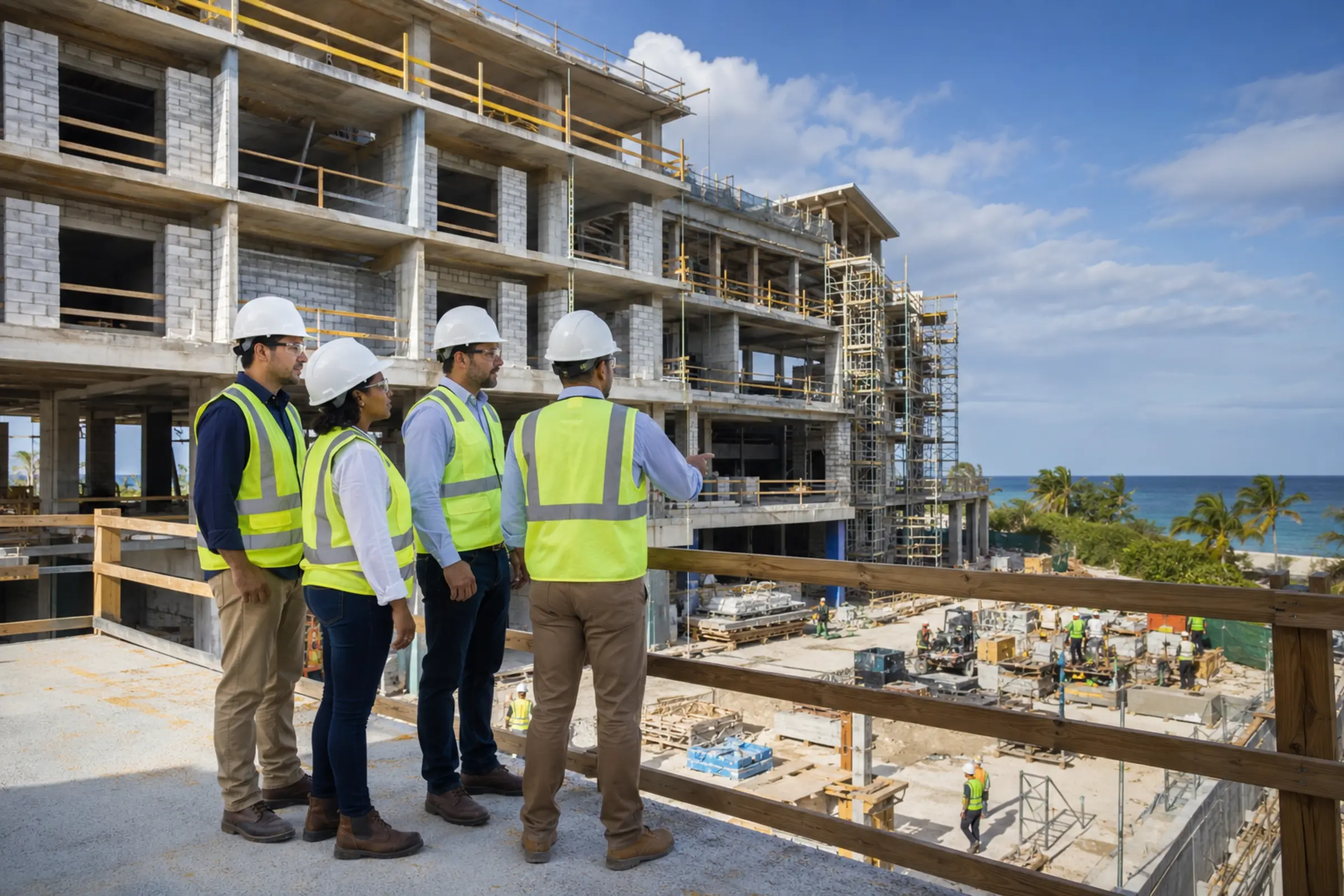
No two construction projects are exactly alike. A developer building single-family homes faces different challenges than an investor constructing a multifamily community. A hotel, medical office building, self-storage facility, student housing development, or mixed-use project each follows its own timeline, approval process, construction schedule, and financing requirements.
Construction Is More Than Building
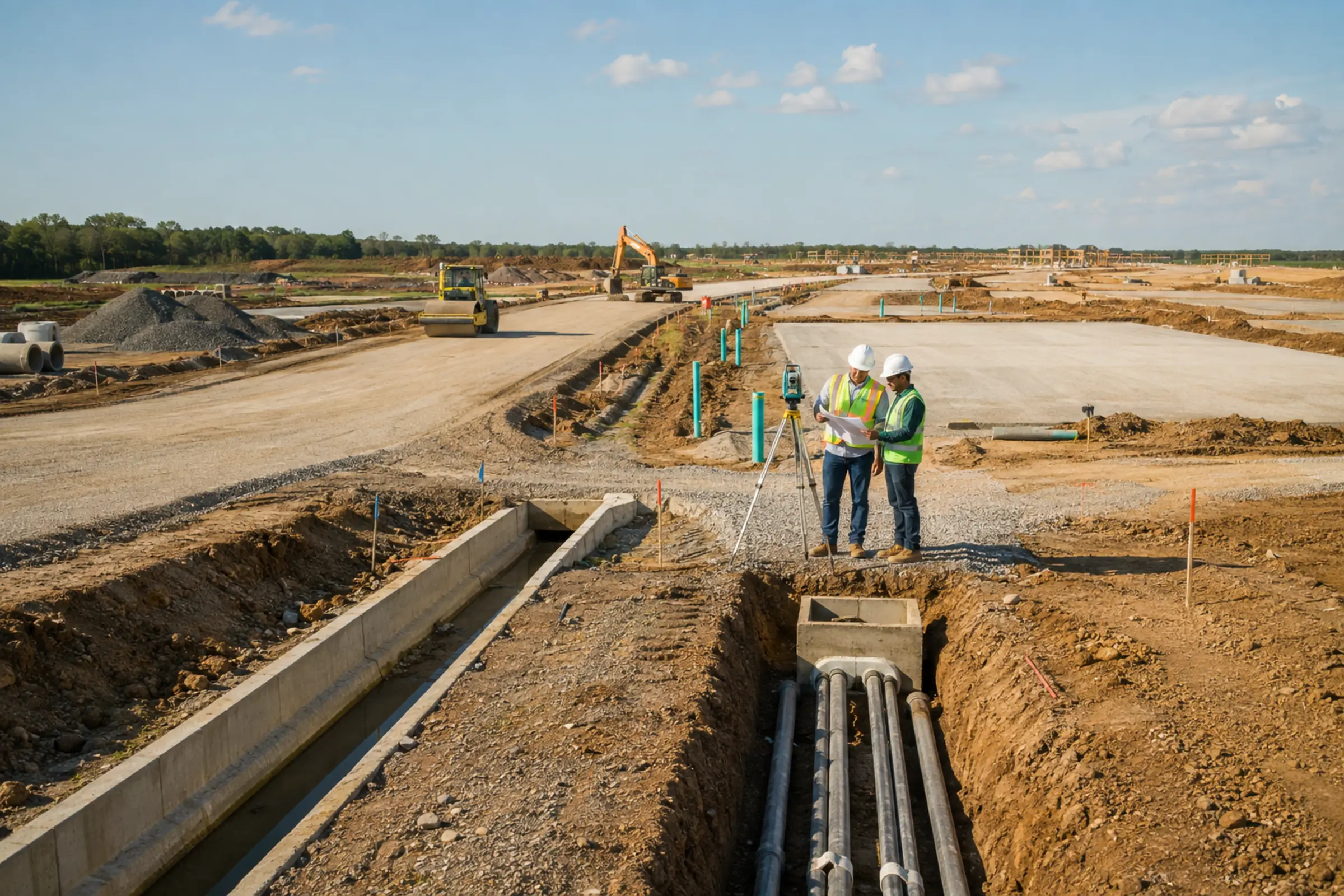
Many people think construction financing begins with vertical construction. In reality, the process often begins much earlier. Projects may require capital for land acquisition, site preparation, environmental remediation, engineering and architectural work, permitting and entitlements, utility installation, roads and infrastructure, horizontal improvements, vertical construction, tenant improvements, furniture, fixtures, and equipment, interest reserves, contingencies, and working capital.

Planning the Exit Before Construction Begins
One of the most important conversations we have takes place before construction financing is ever arranged. How will the project exit the construction loan? Will the completed property be sold, transition into a long-term investment, or refinance into permanent financing? Will portions be sold in phases, or will the project attract institutional capital after stabilization? Understanding the destination helps shape the financing strategy from the very beginning.
How we think at CapCana Capital
We organize our approach to construction financing around the development process, not simply the loan request. We do not begin by asking how much you need to borrow. We begin by asking what you are building and what it will become. Because successful construction financing is not simply about funding a project. It is about helping transform a vision into a completed asset that creates value for investors, communities, and future generations.
And that is why, at CapCana Capital, we believe execution begins with understanding.