
Multifamily Loans
Multifamily Financing, From First Acquisition to Portfolio Scale
At CapCana Capital, we believe multifamily is one of the few asset classes where the right capital strategy compounds over an entire career.
We often say that execution begins with understanding. A twelve-unit value-add purchase and a stabilized two-hundred-unit community are both called multifamily, yet almost nothing about how they are financed is the same. Before we talk about rate or leverage, we want to understand where the property sits today and where you intend to take it.
Multifamily rewards investors who plan for the whole lifecycle of an asset. The financing that makes a value-add acquisition work is rarely the financing that should carry the property once it stabilizes. Knowing that from the beginning helps you avoid refinancing into the wrong structure or leaving return on the table.
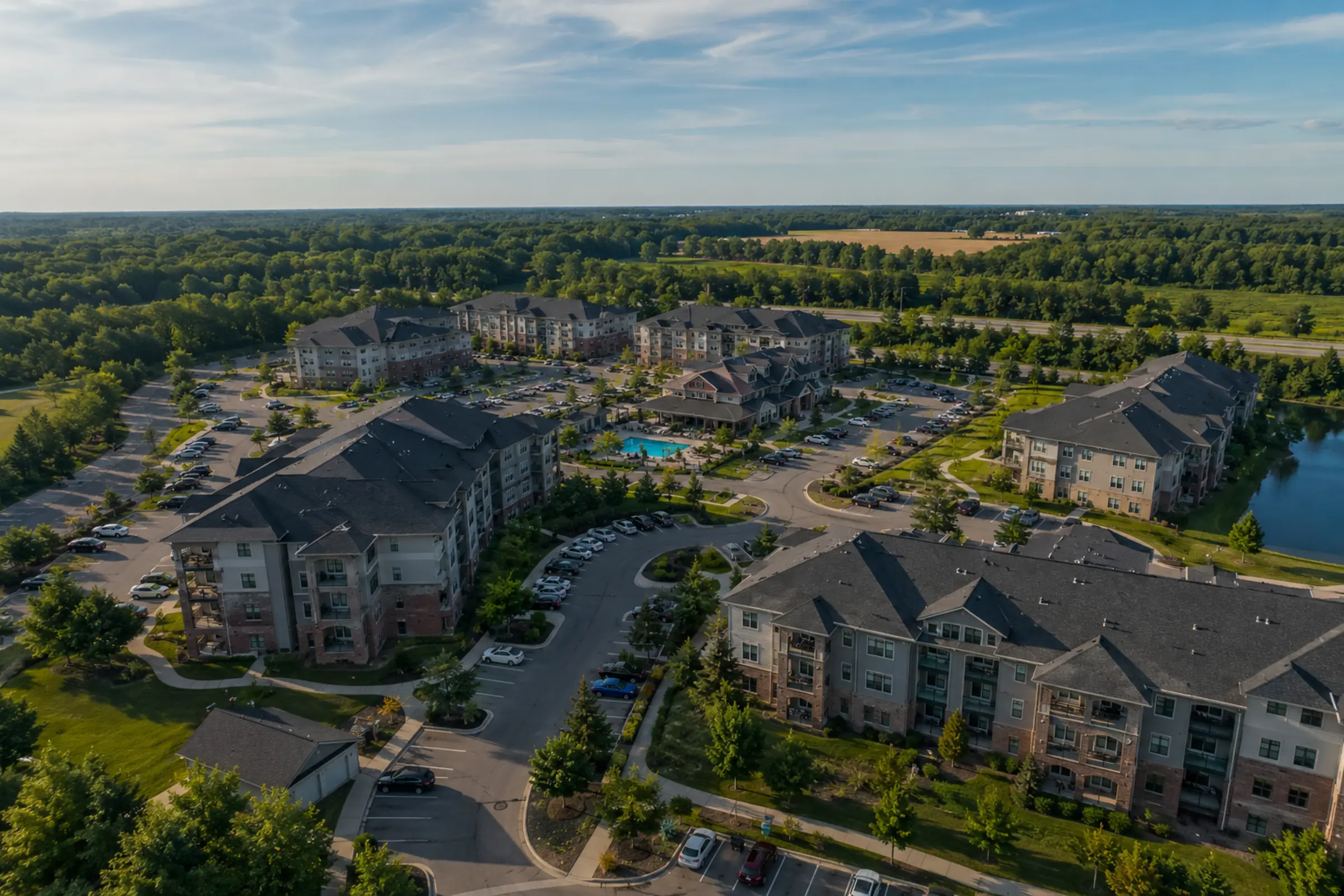
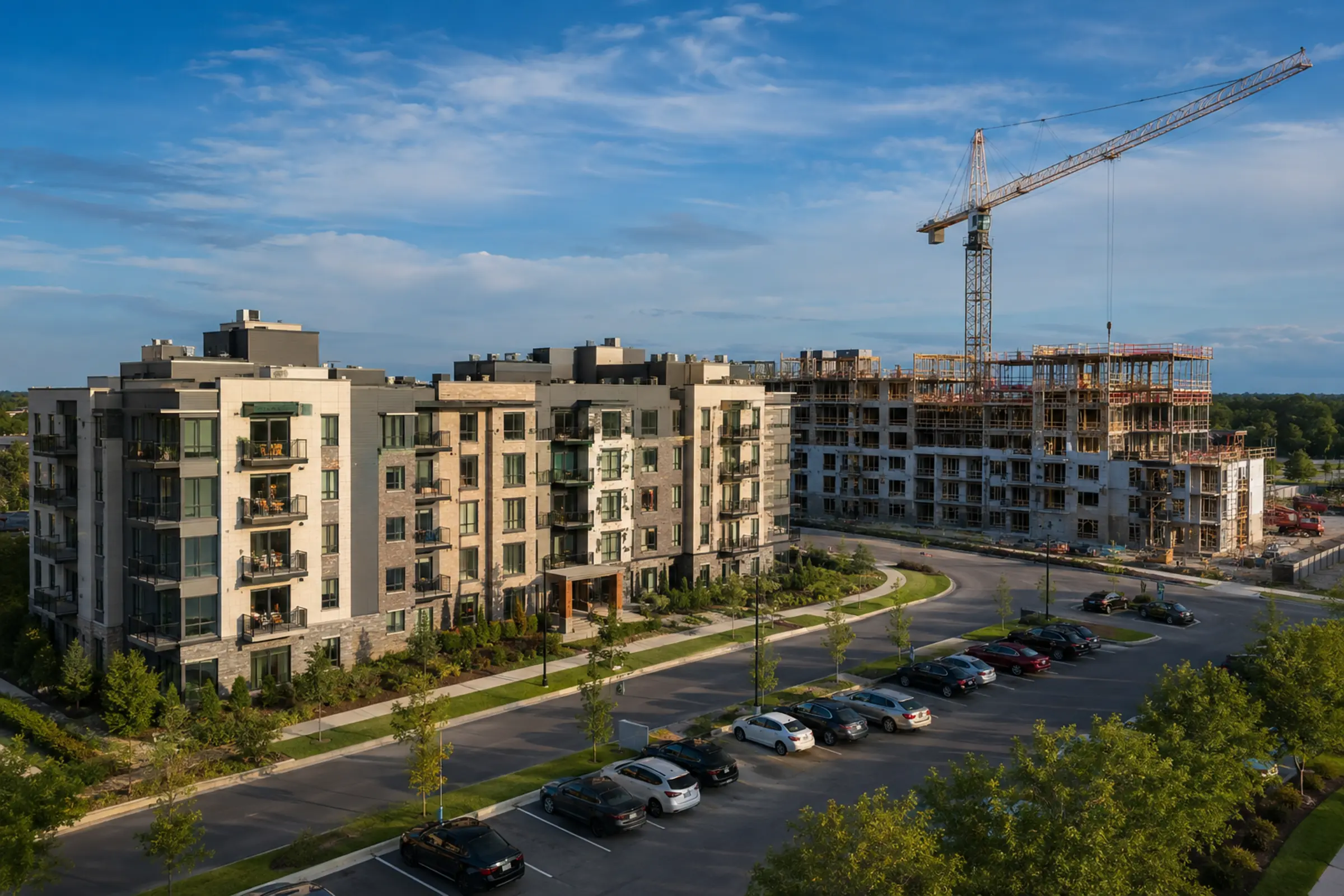
The Capital We Help Arrange
- Agency financing through Fannie Mae, Freddie Mac, and HUD or FHA, for long-term, lower-rate debt on stabilized assets
- Bridge financing for value-add acquisitions and repositioning
- Construction financing for ground-up development
- Loan sizes generally from 750,000 dollars to 40 million dollars and above
We work across the full range of the asset class, including market-rate, affordable, luxury, senior, and student housing, as well as mixed-use properties with a residential core.
How we think at CapCana Capital
We do not start with a loan product. We start with the property and the plan behind it. Is this an acquisition, a repositioning, or the next step in scaling a portfolio? The answer shapes everything that follows. When the capital fits the stage, a single building can become the foundation of a portfolio.
And that is why, at CapCana Capital, we believe execution begins with understanding.