
Land Financing
Every Great Development Begins With a Piece of Land
At CapCana Capital, we believe land is much more than an undeveloped parcel.
We often say that execution begins with understanding. Before we discuss financing, leverage, loan terms, or interest rates, we want to understand what you see when you look at the property. Is it the future site of a residential community? A mixed-use development? A hotel? A logistics center? A medical campus? A family legacy? To many, land is simply acreage. To an investor or developer, land represents possibility.

Not All Land Is the Same
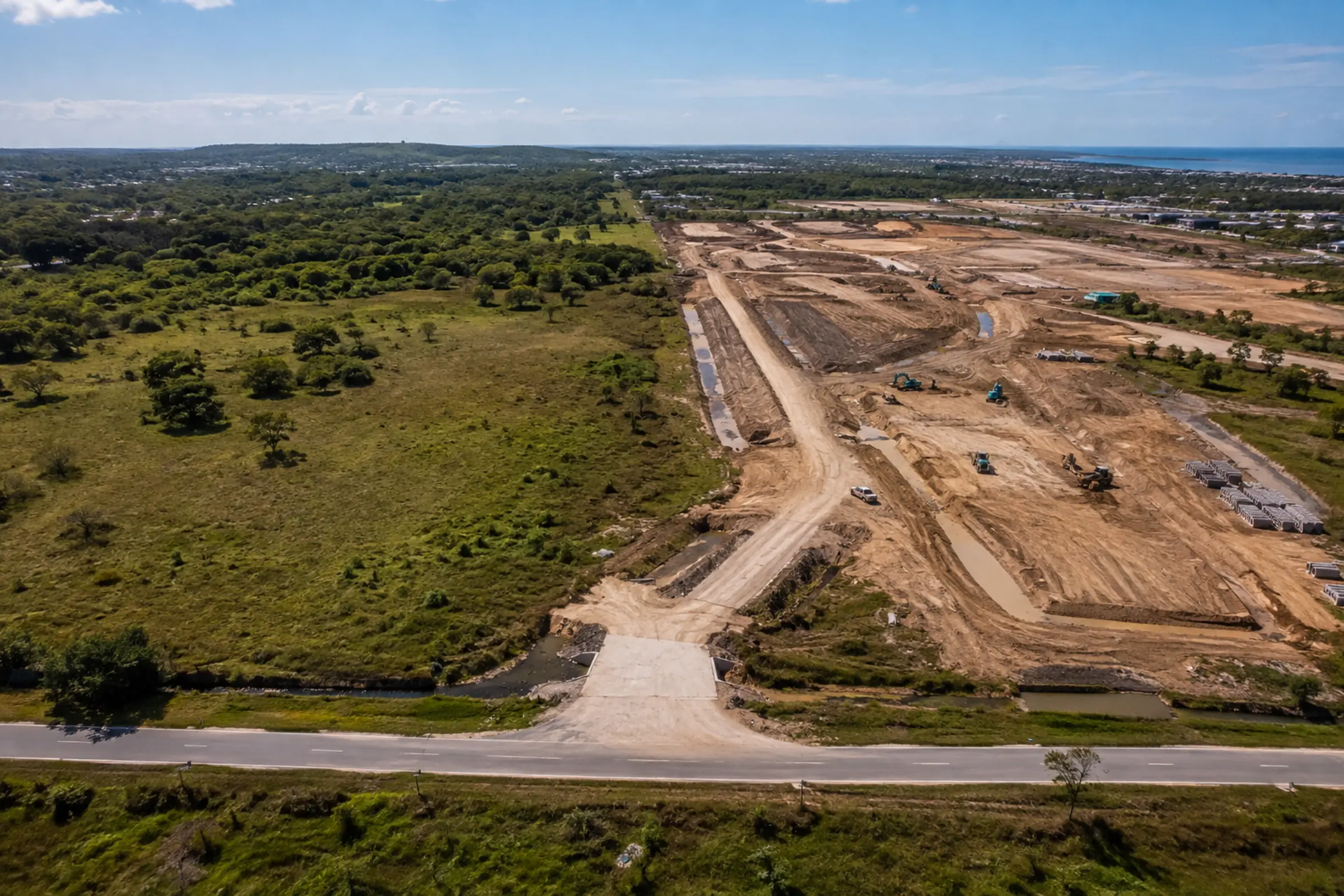
One of the most common misconceptions in commercial real estate is that land financing follows a single set of guidelines. In reality, every parcel has its own story. A fully entitled development site is evaluated very differently than raw land. Agricultural land presents different considerations than infill development. A waterfront parcel differs from a suburban commercial tract. A future residential subdivision is underwritten differently than land intended for industrial development.
Understanding the Intended Use
One of the first conversations we have is not about the loan. It is about the future. We want to understand the highest and best use of the property, whether the land is entitled or still in the approval process, whether infrastructure improvements will be required, what utilities are available, whether an environmental assessment has been completed, and whether the project is being held for future appreciation or immediate development.
Financing Land at Every Stage
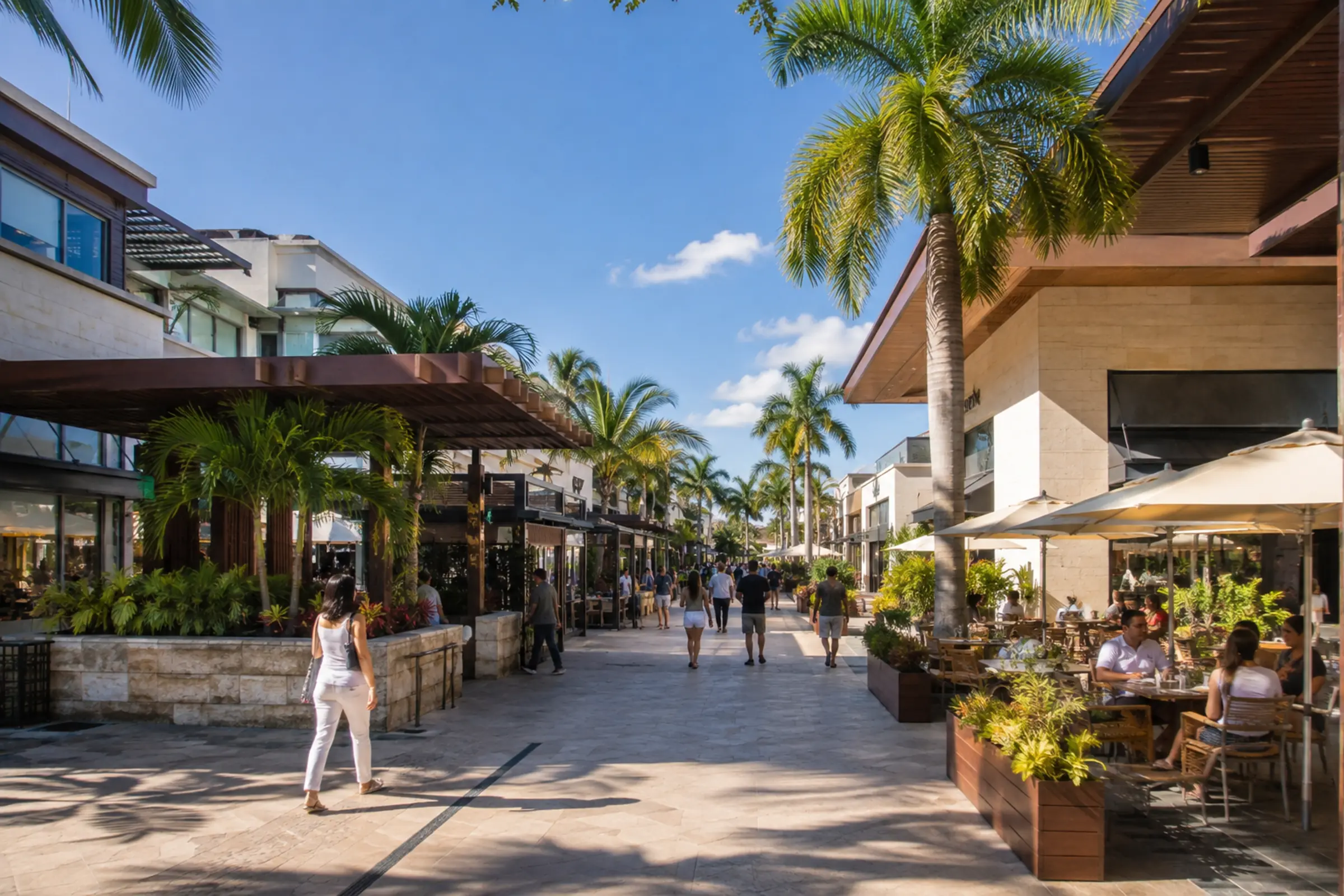
Land financing can support raw land acquisitions, entitled land, residential and commercial development sites, mixed-use, industrial development, hospitality and resort sites, multifamily and student housing sites, senior housing developments, build-to-rent communities, agricultural land, land banking strategies, assemblage opportunities, and infrastructure and horizontal development.
More Than the Purchase Price
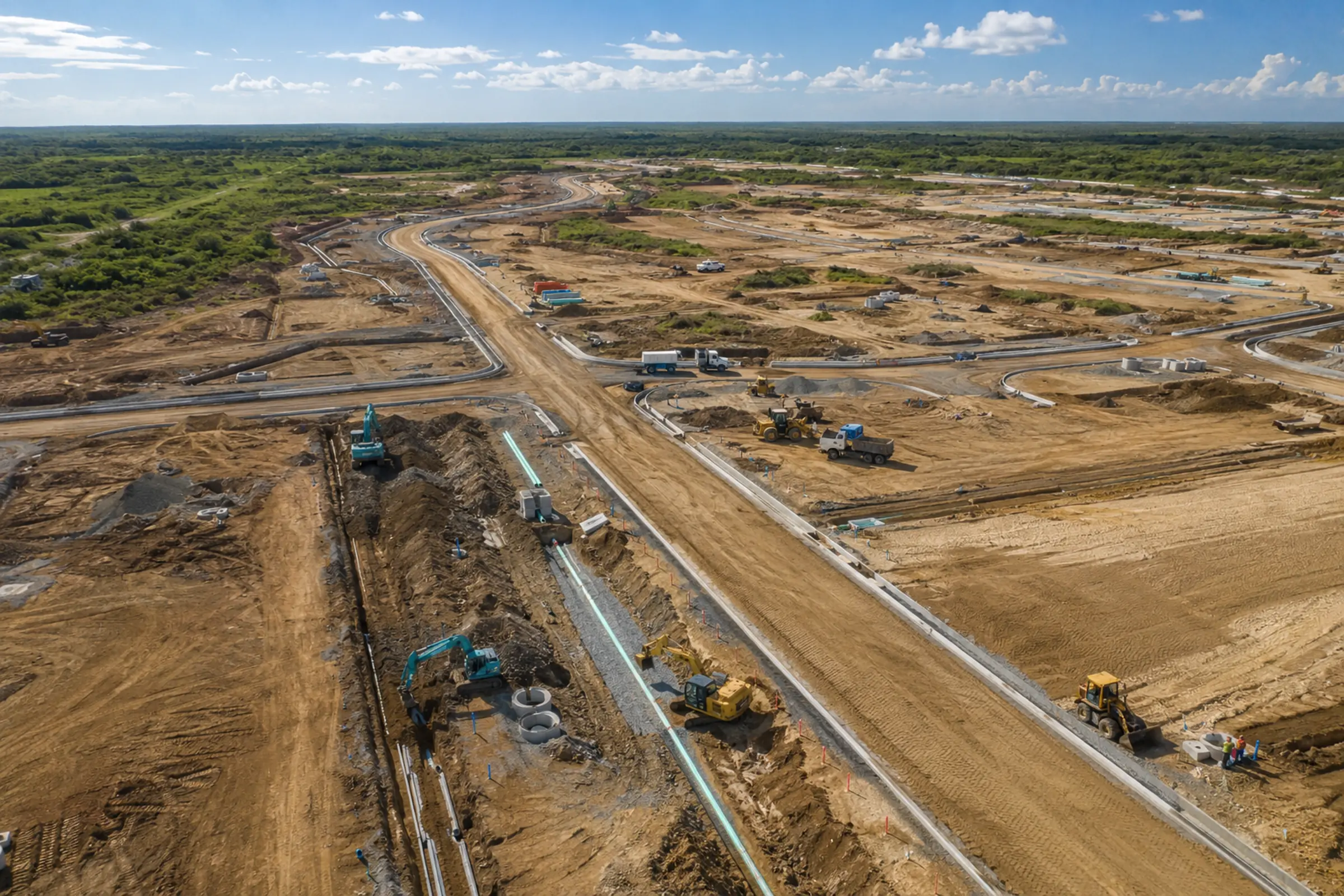
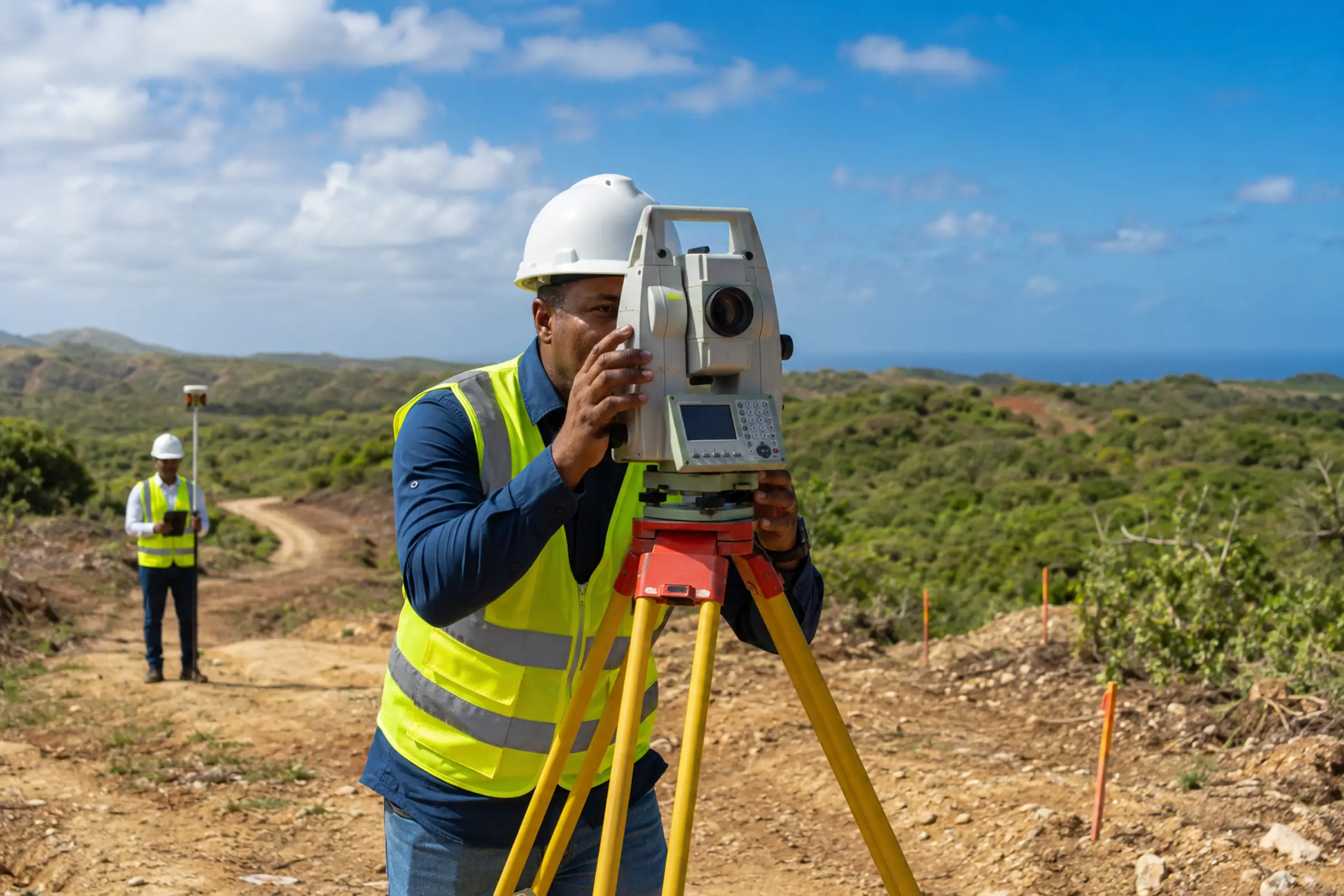
Land financing often involves much more than acquiring the property. Projects may require capital for due diligence, environmental site assessments when required, wetlands delineation and permitting, surveying, engineering, architectural planning, entitlements, rezoning, utility extensions, roads and infrastructure, site preparation, carrying costs, and pre-development expenses.
For projects within the United States, environmental due diligence is often a critical component of underwriting. Depending on the property’s history, location, and intended use, lenders may require a Phase I Environmental Site Assessment and, if warranted, a Phase II investigation before closing. Addressing these requirements early can help identify potential concerns, reduce delays, and provide greater confidence to both investors and capital providers.
How we think at CapCana Capital
We organize our approach to land financing around what the property is intended to become, not simply what it is today. We do not begin by asking how much acreage you are buying. We begin by asking what this land will become. Because when thoughtful planning, experienced guidance, and the right capital come together, land becomes the foundation upon which communities are built, businesses grow, families prosper, and future generations benefit.
And that is why, at CapCana Capital, we believe execution begins with understanding.